GET TO KNOW
Engineering insights behind the ORCA transporter
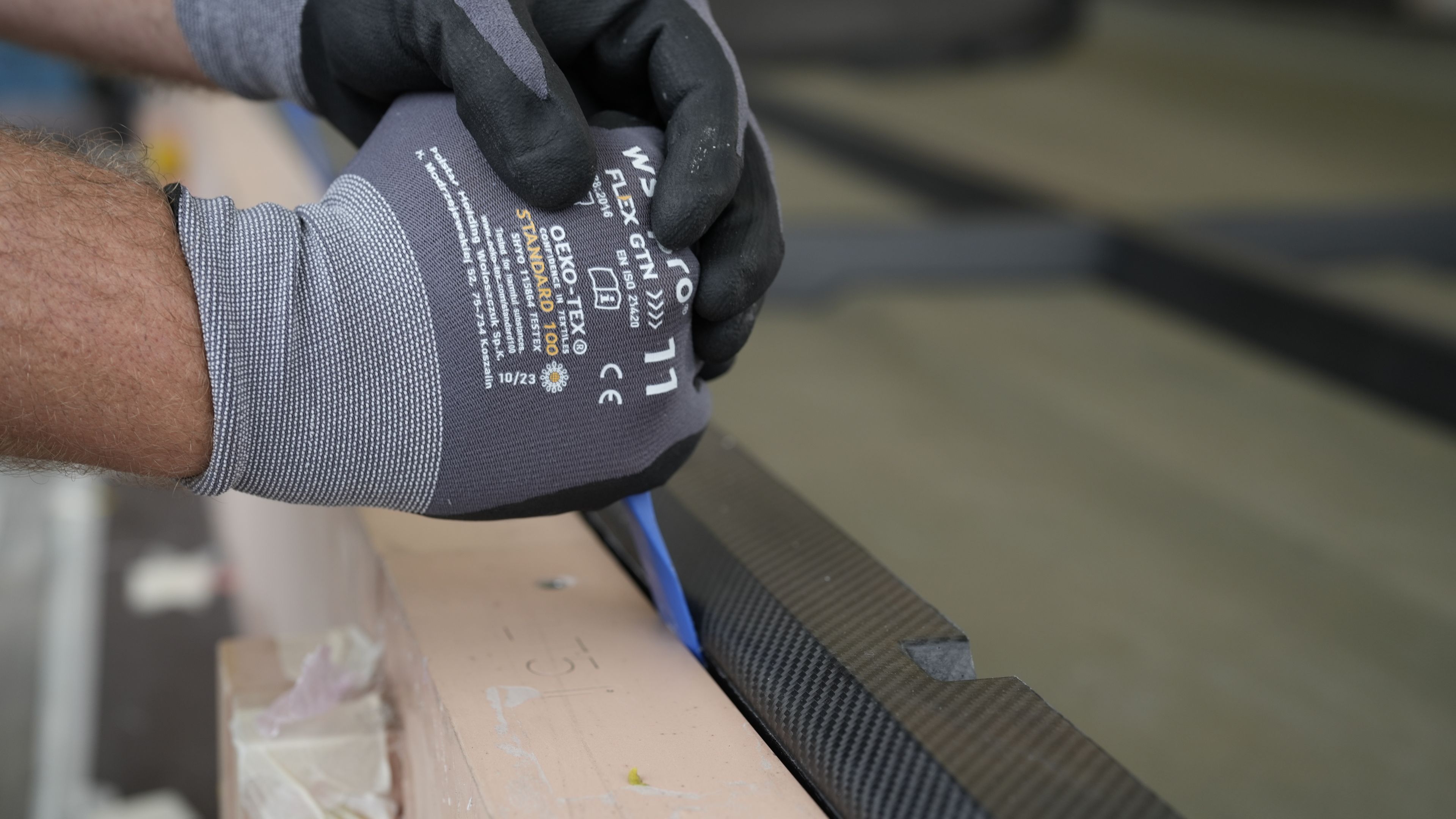
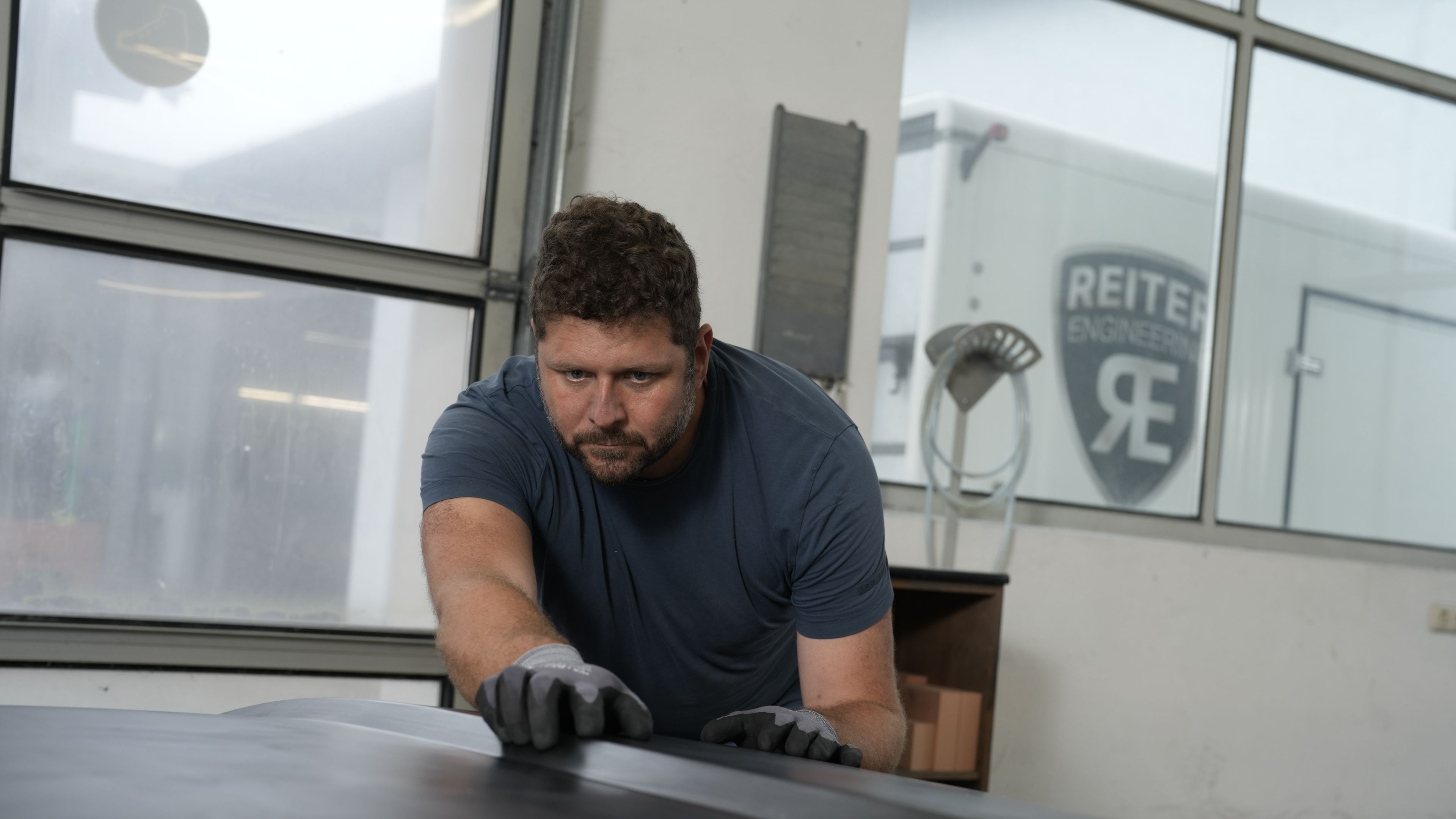
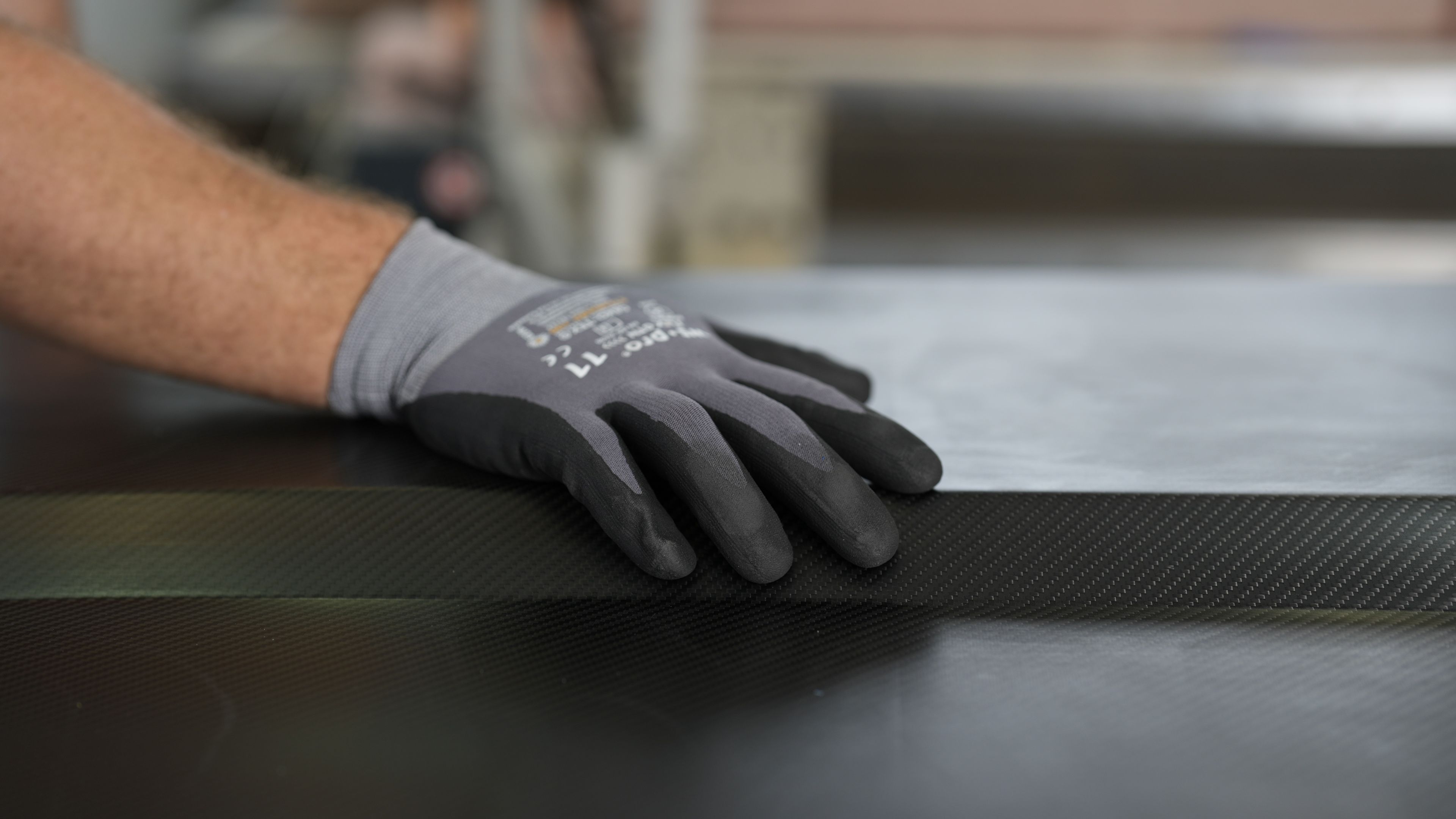
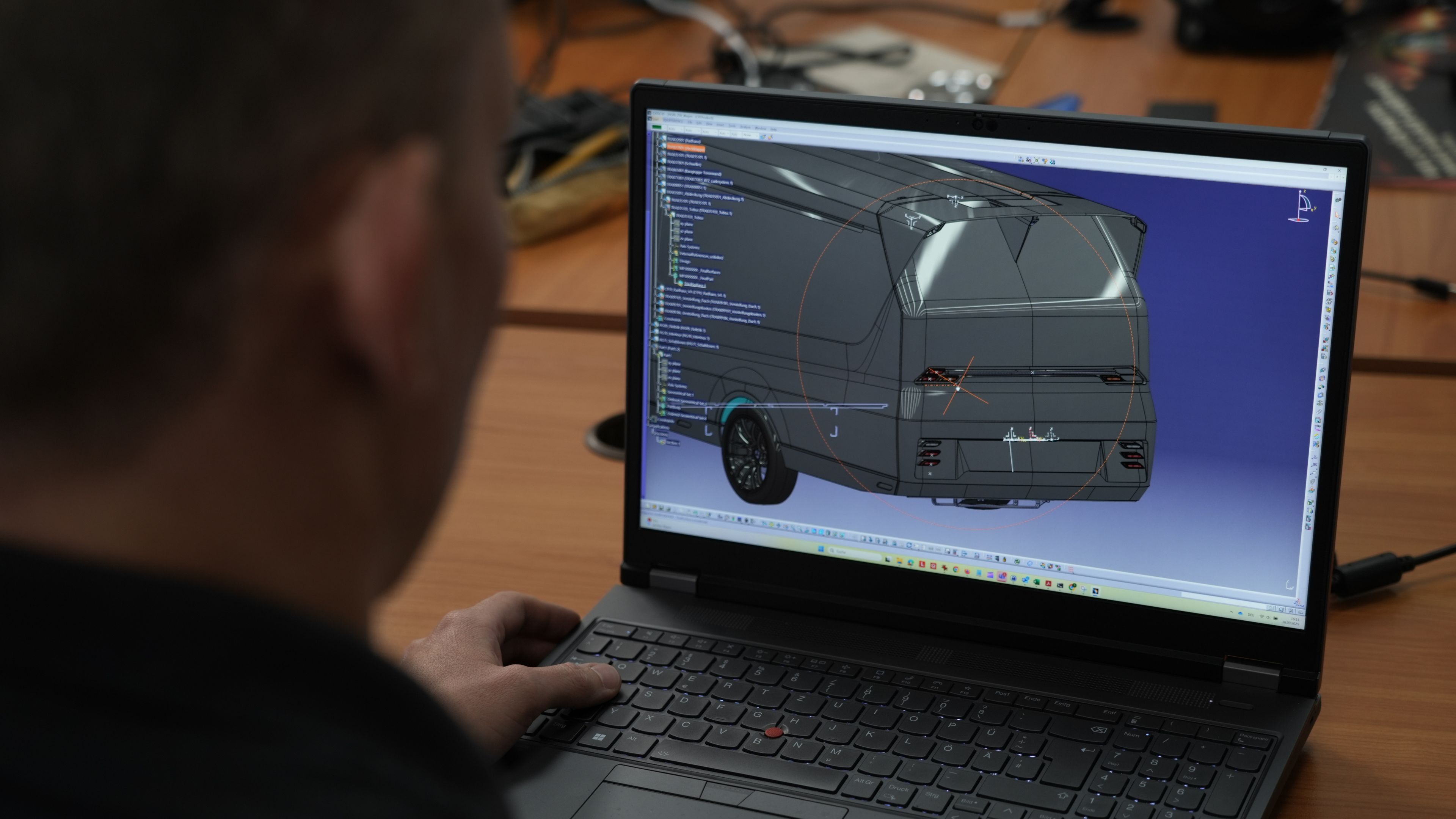
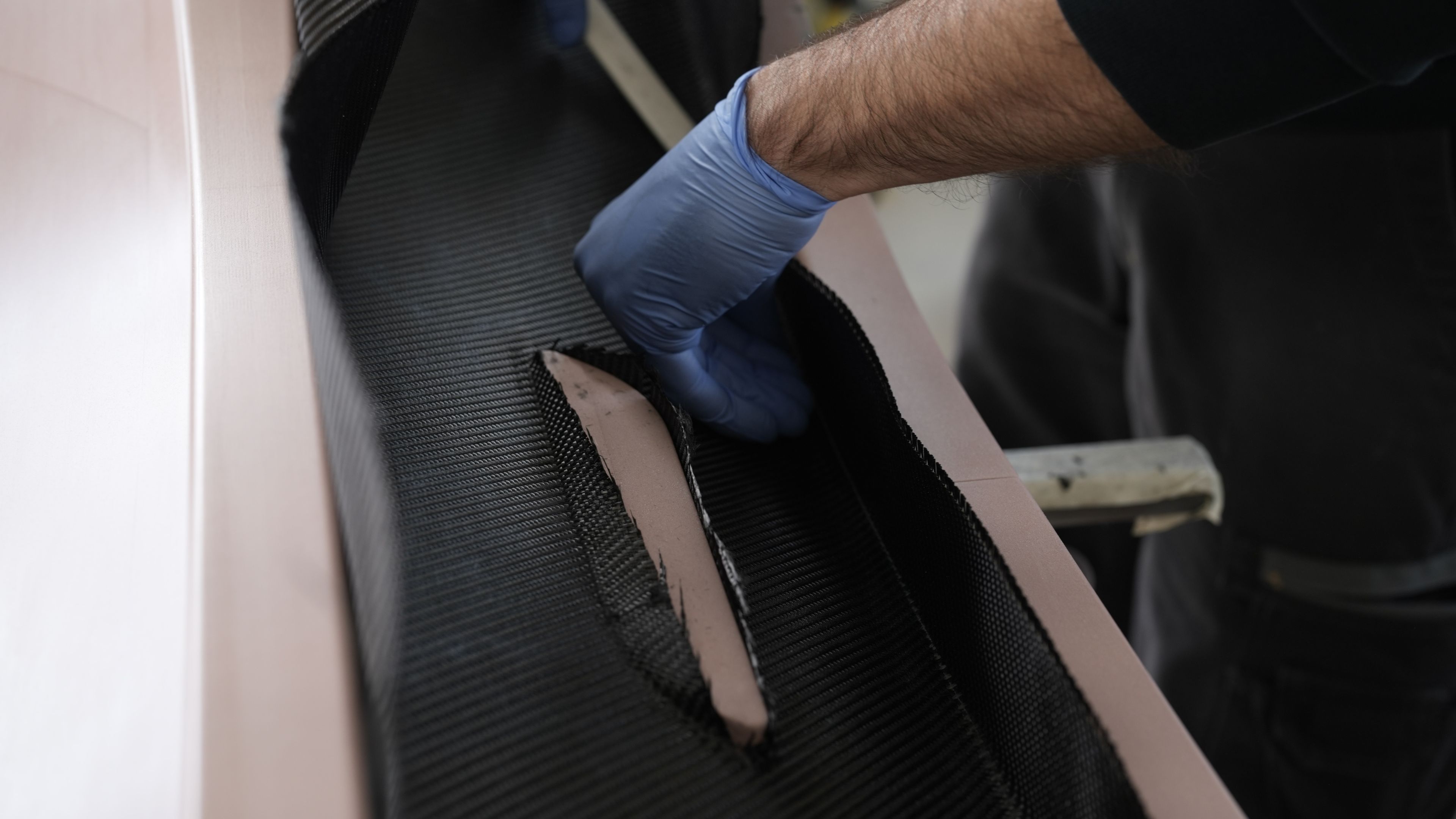
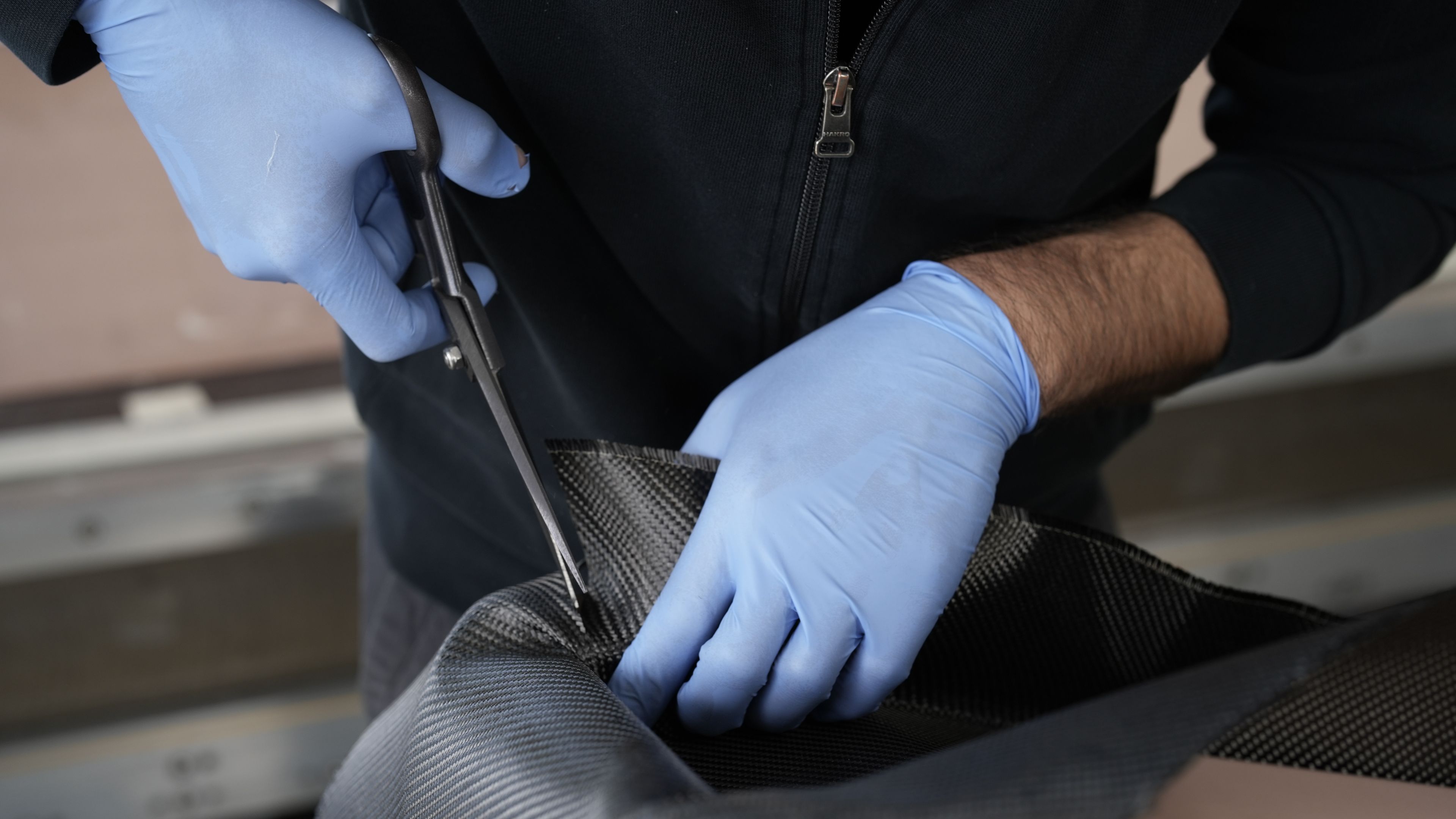
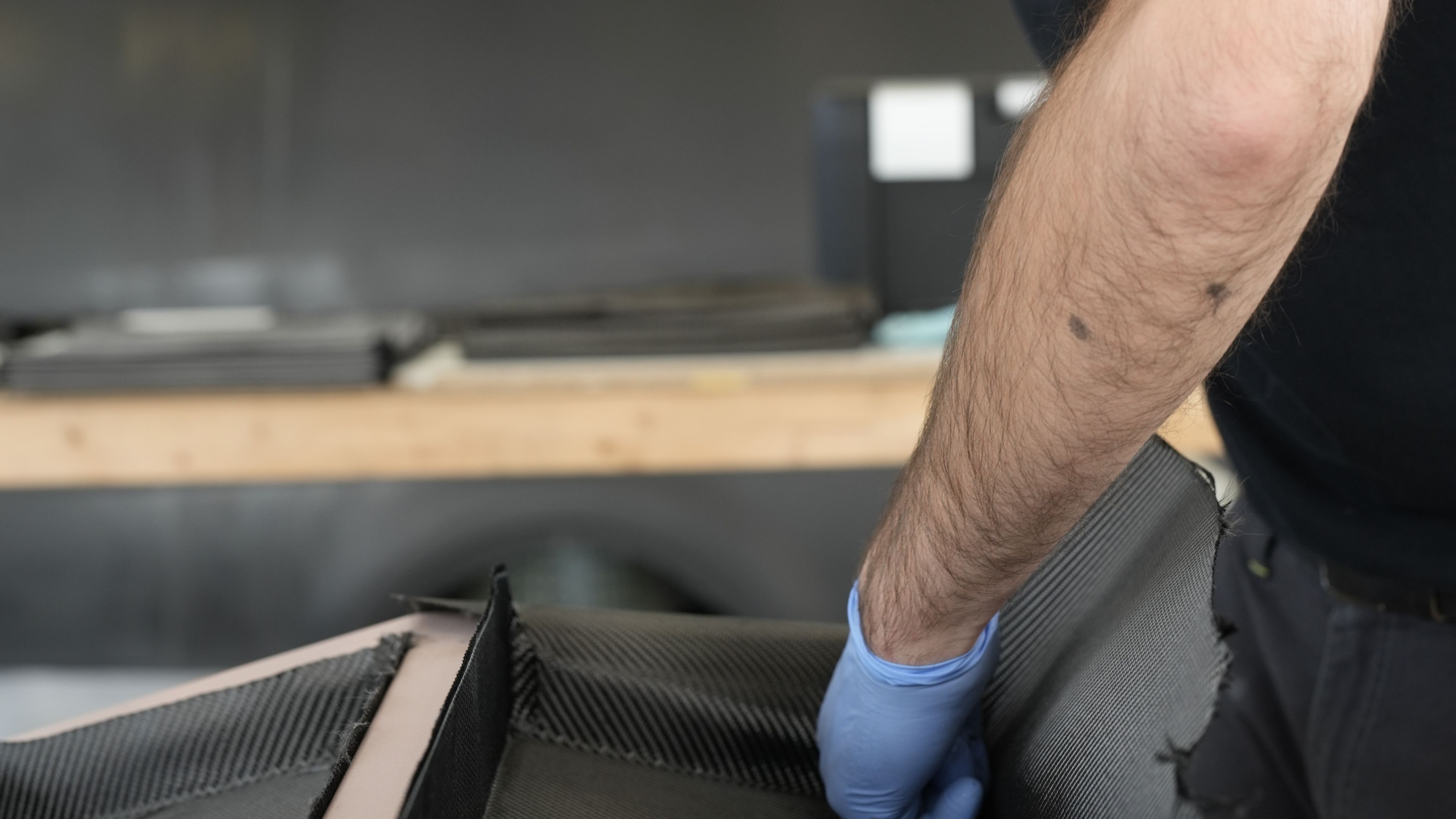
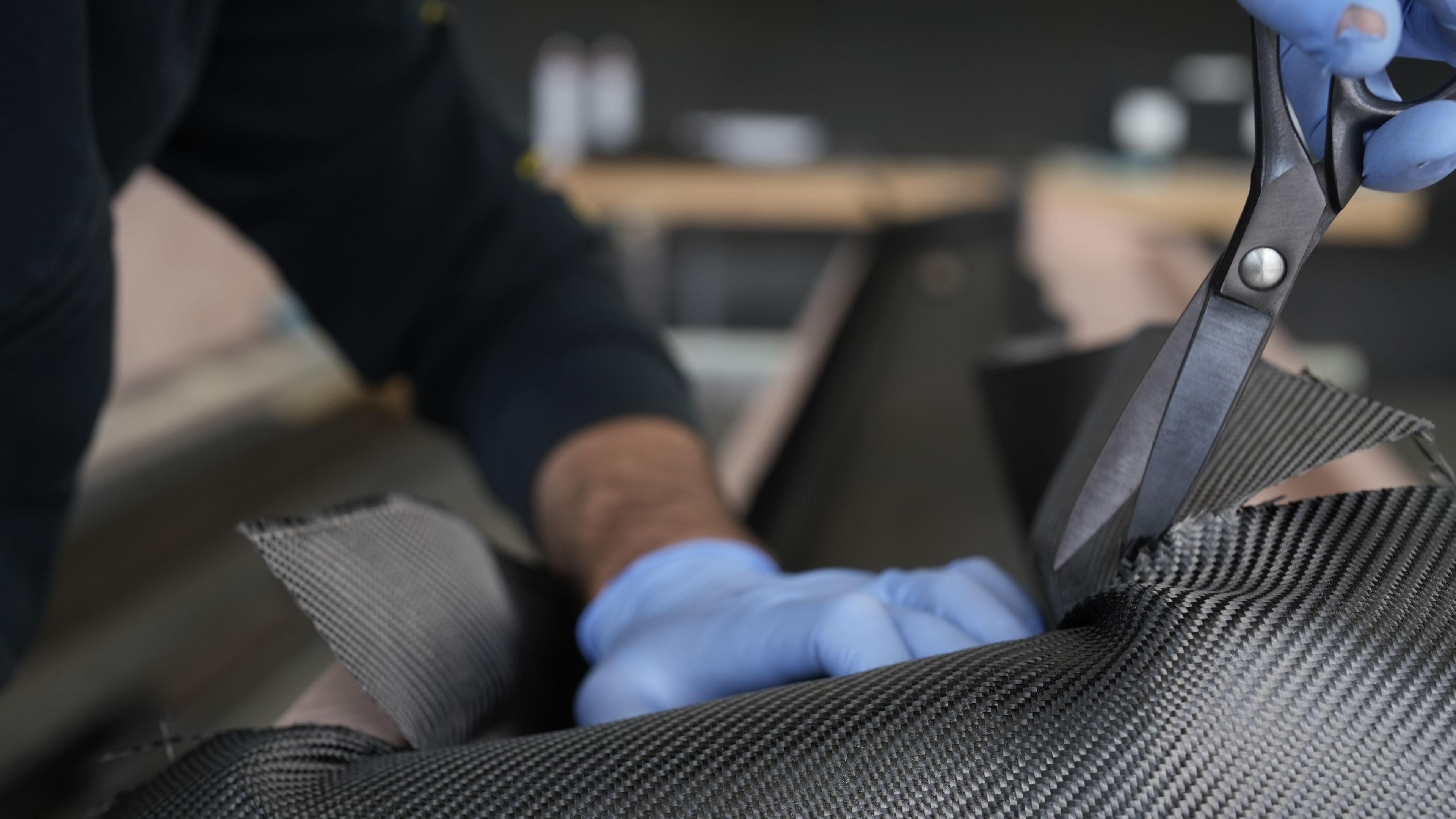
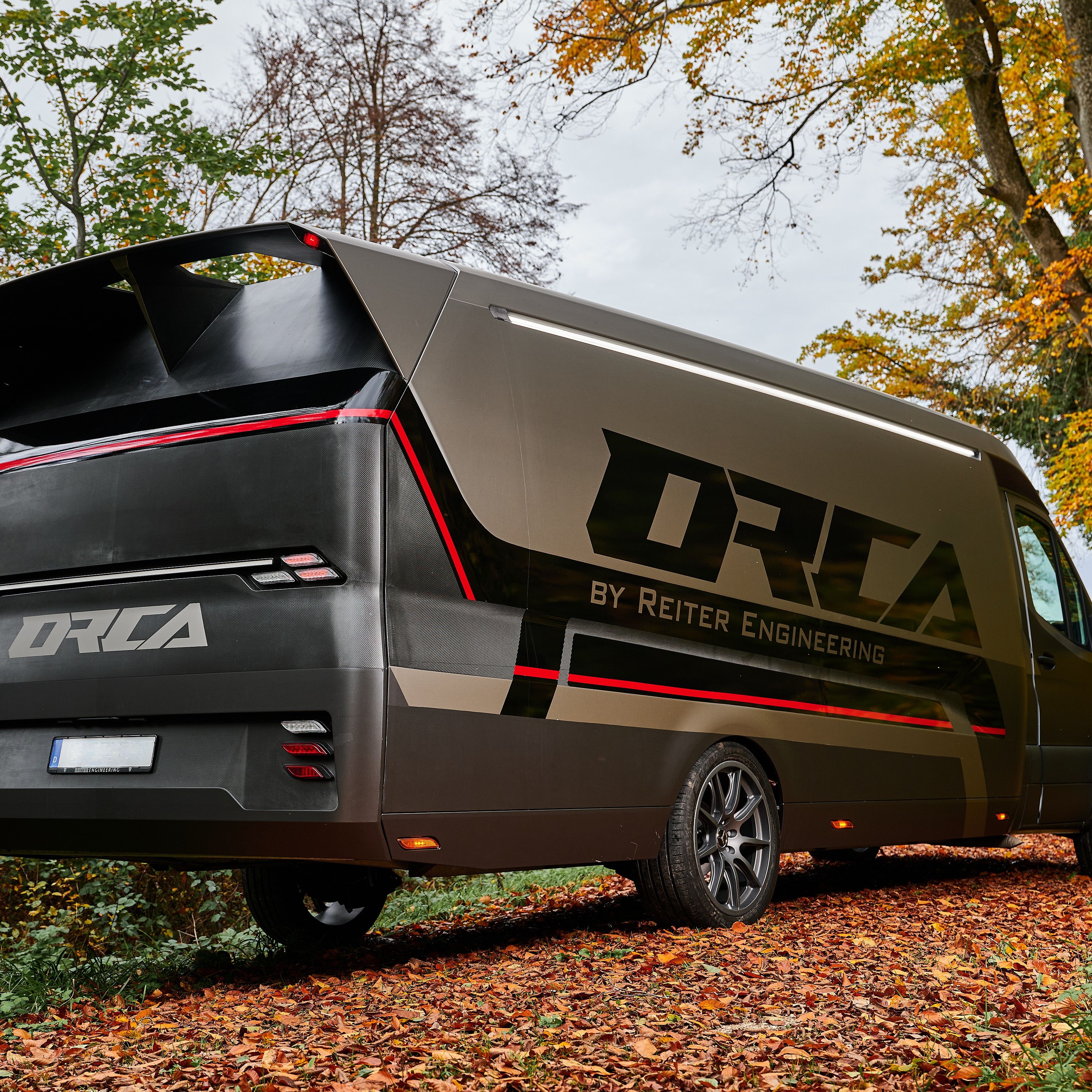
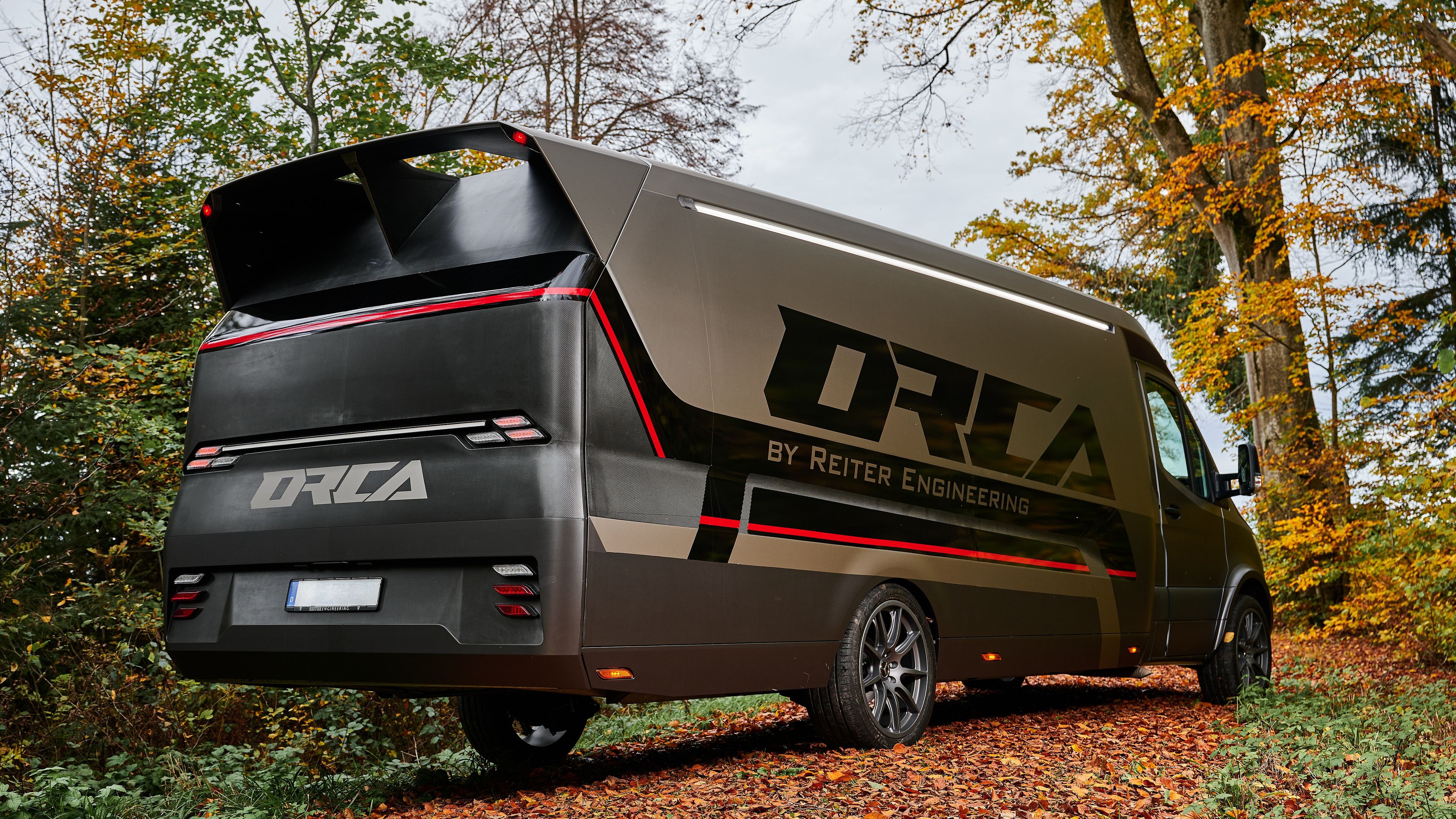
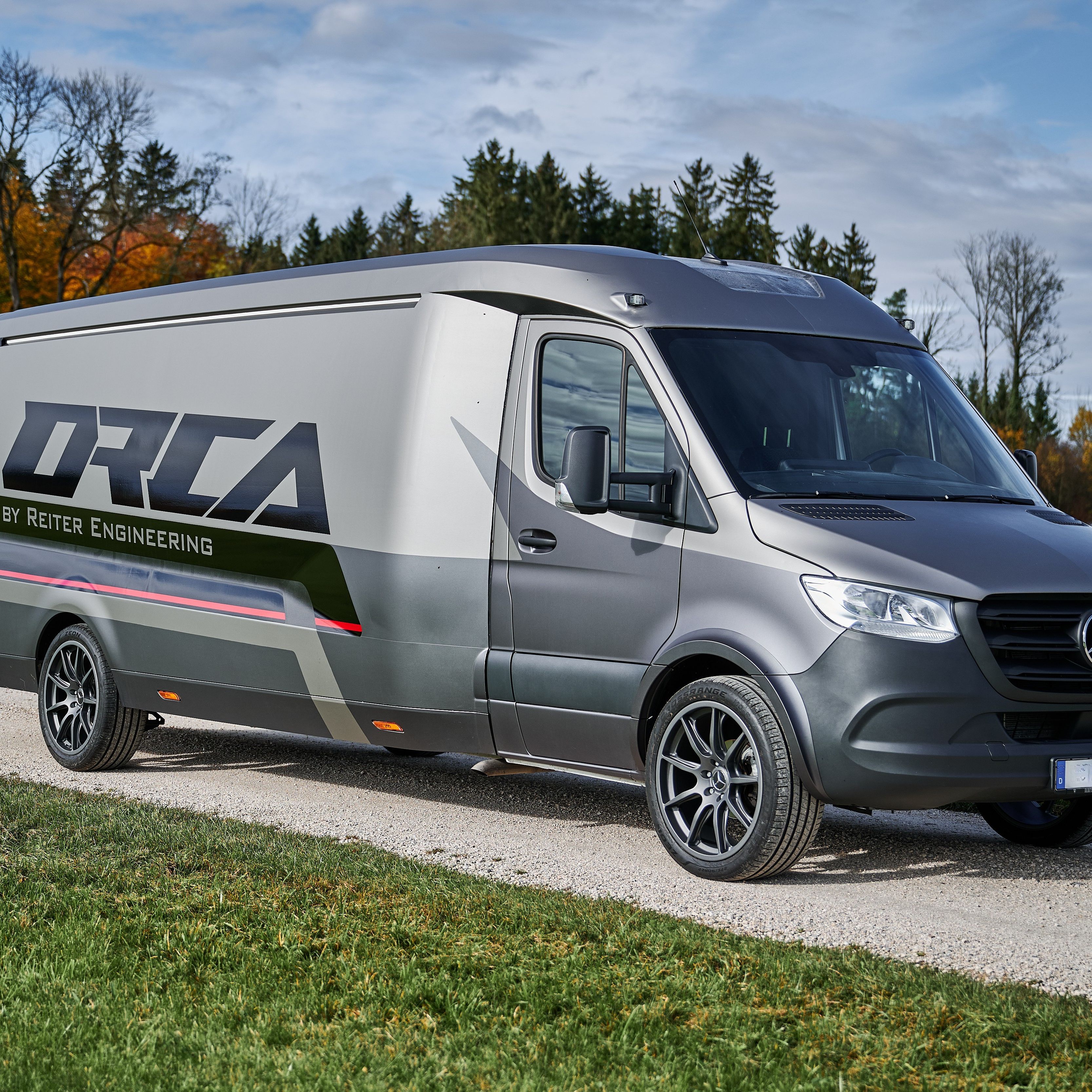
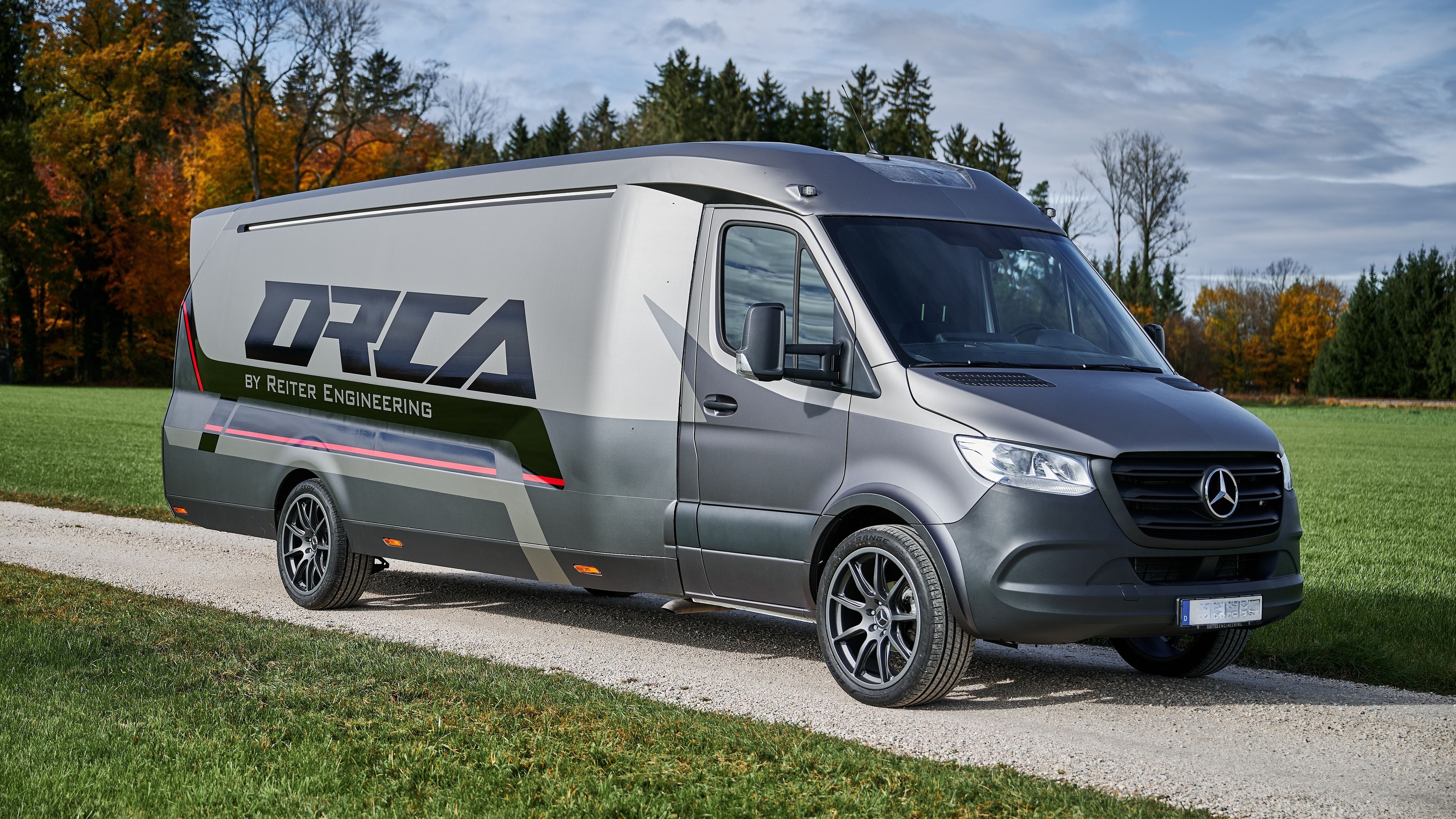
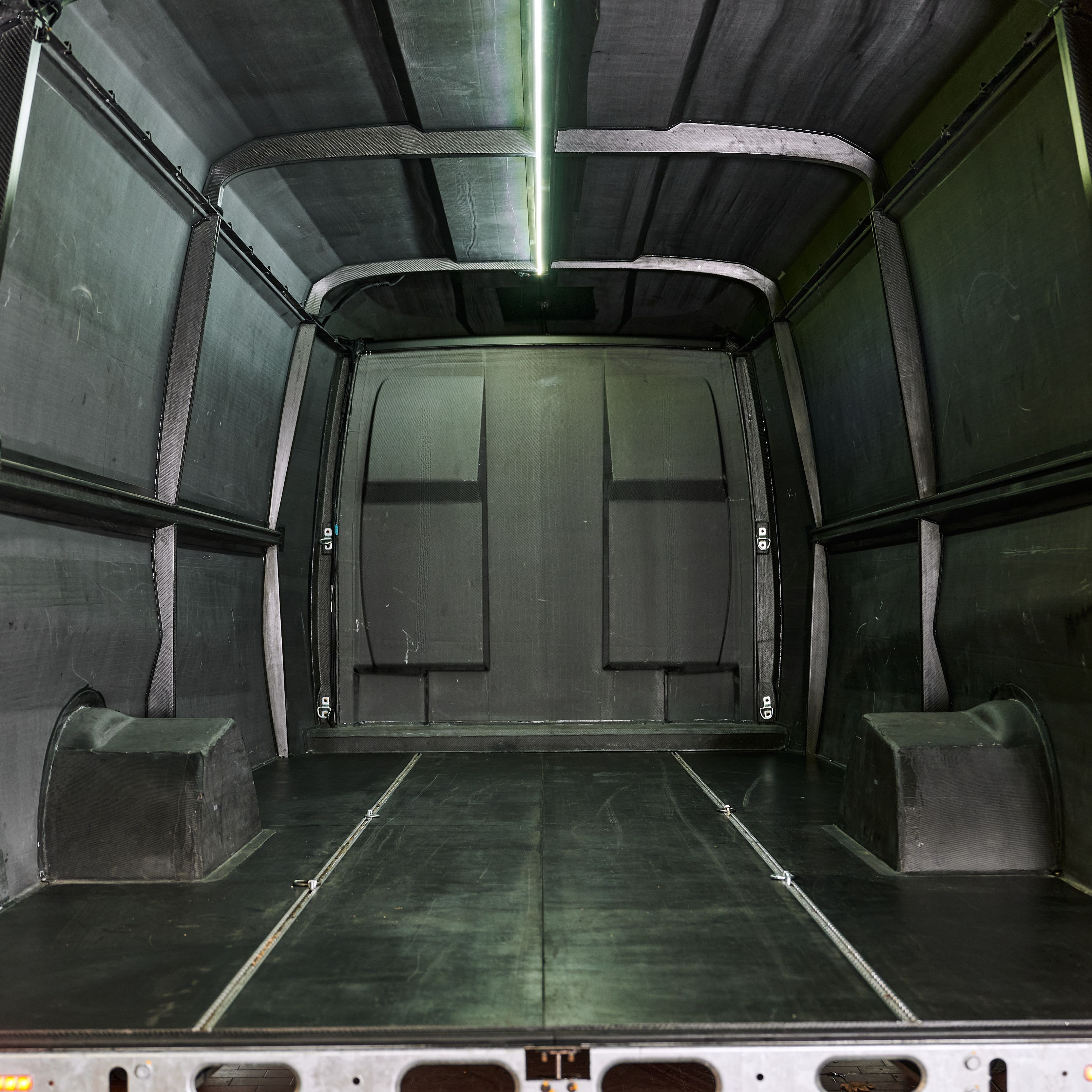
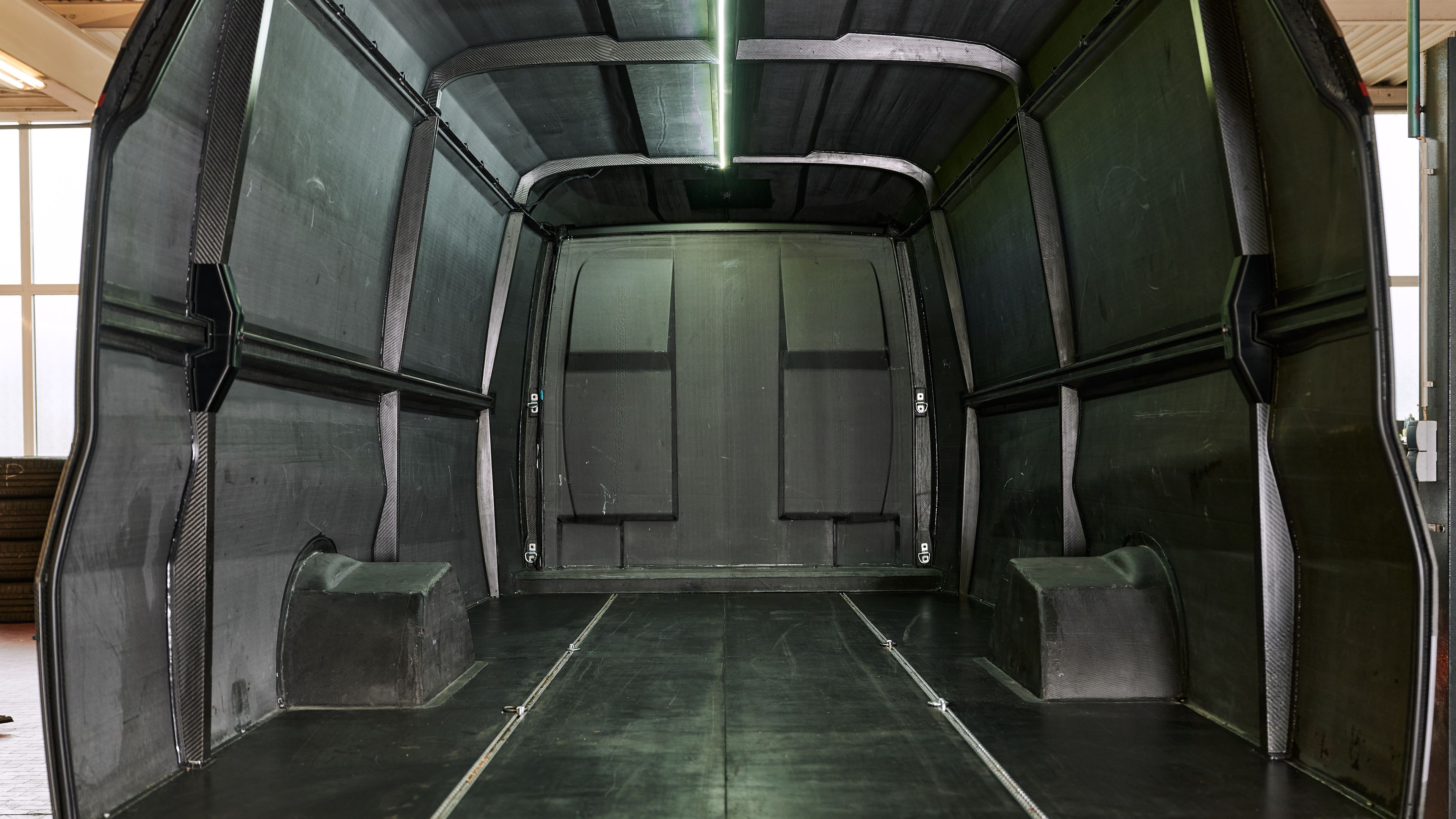
Discover how advanced engineering, aerodynamics and durability testing shape the ORCA transporter and its lightweight vehicle architecture.
Rail Holders
Secure rail storage for efficient loading operations
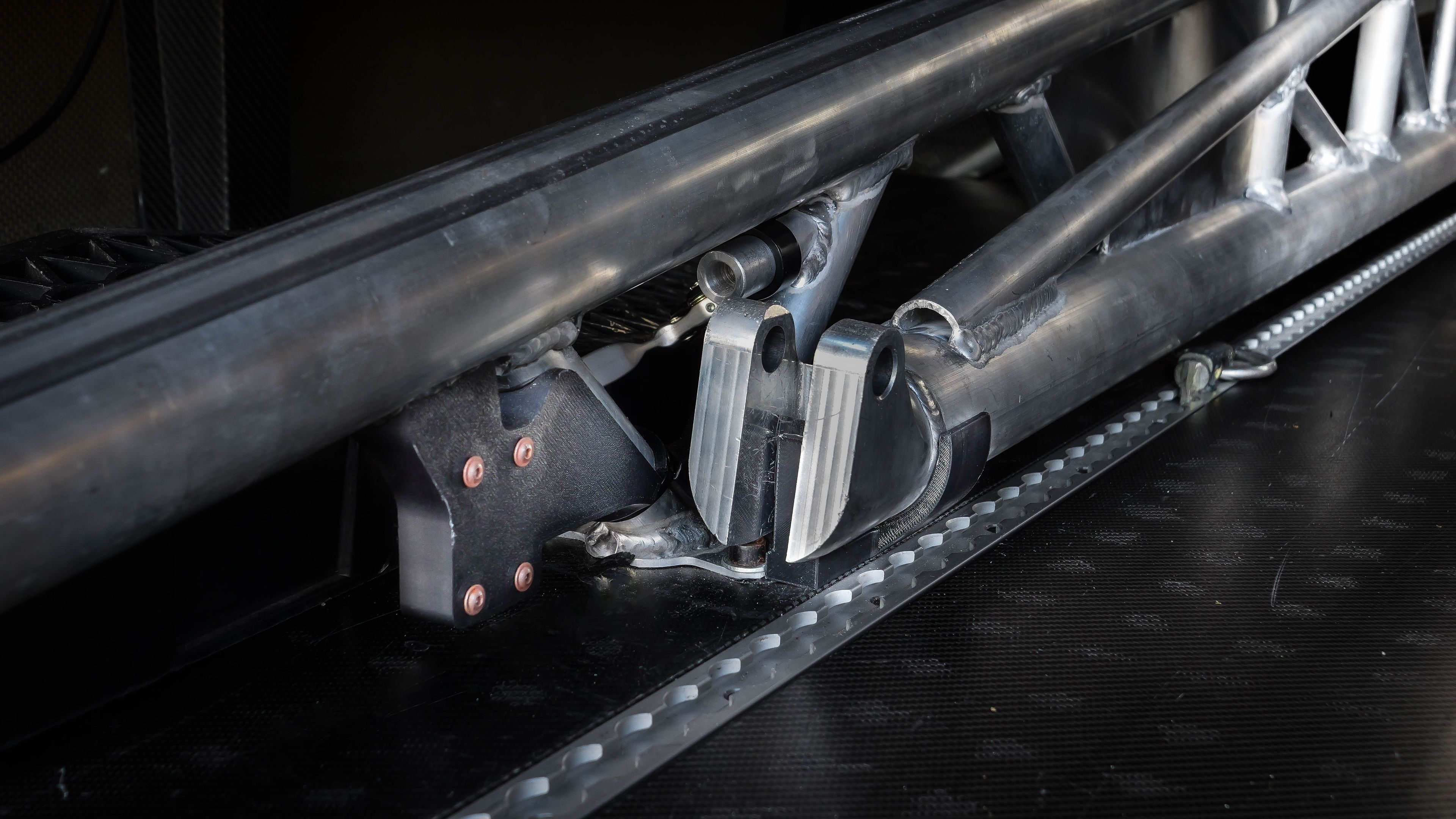
The loading rails are an essential part of the ORCA transporter. Before loading or unloading, they are manually extended and positioned. After use, they need to be stored securely without taking up unnecessary space or interfering with the loading process.
To achieve this, the ORCA features specially developed rail holders that keep the rails securely in place during transport while ensuring quick and easy access when required.
The rail holders where designed and optimized in-house with a focus on three key requirements: secure positioning, easy accessibility and fast deployment. This ensures that the rails can be integrated seamlessly into the loading process.
The solution reflects the overall development approach: combining engineering expertise with practical application and continous user feedback to refine every detail of the vehicle.
Aerodynamics
Aerodynamic design for maximum efficiency
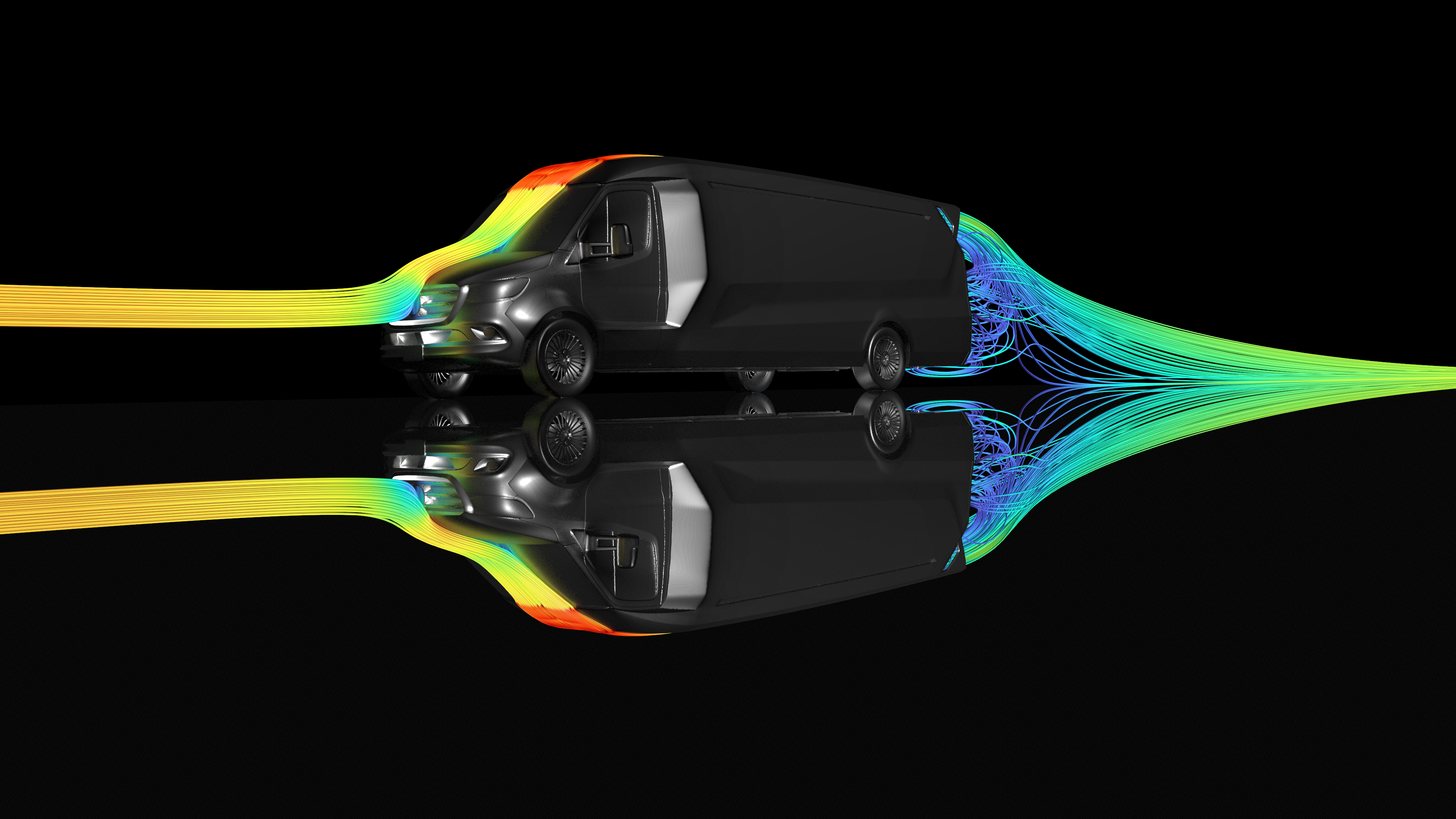
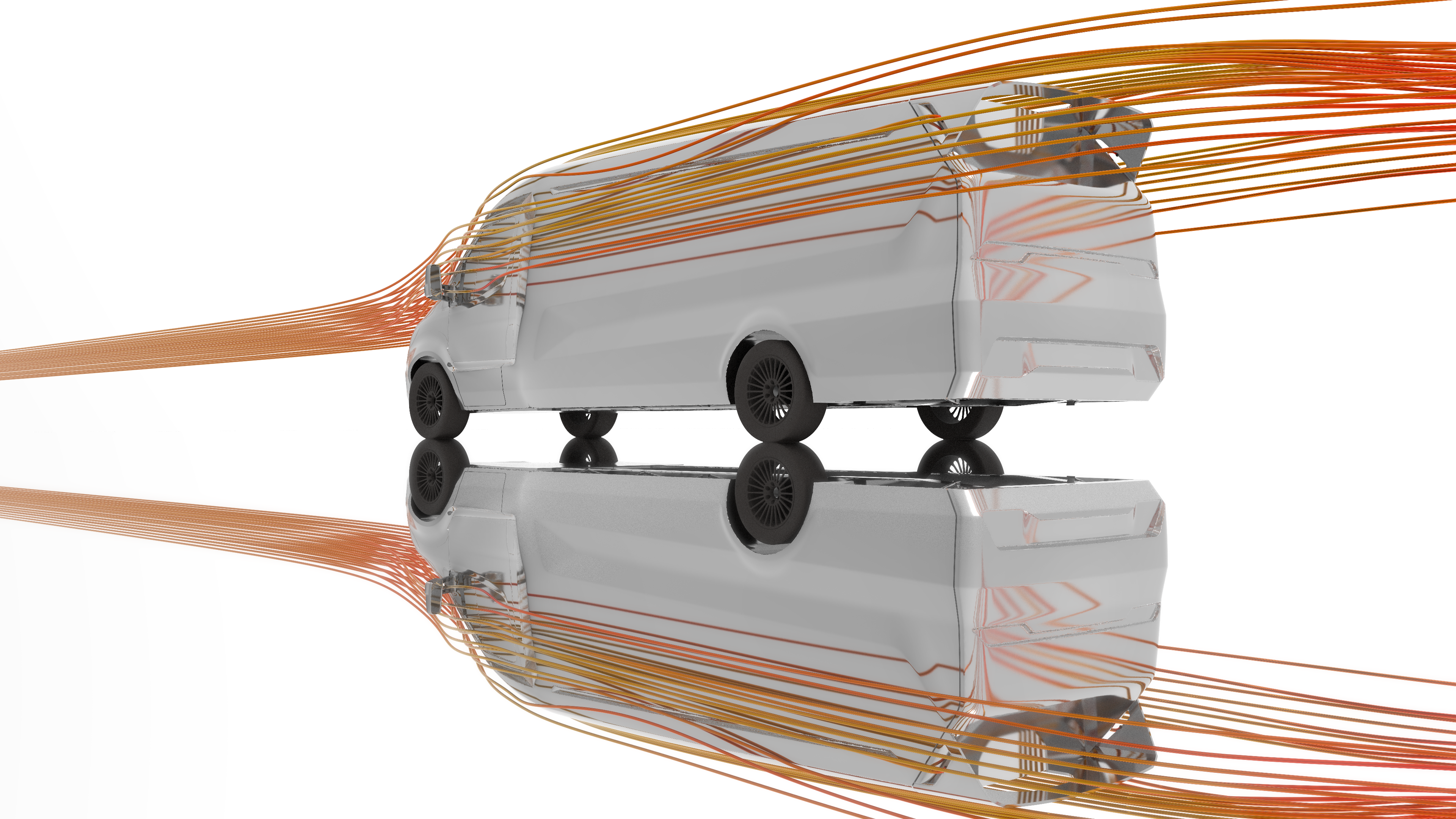
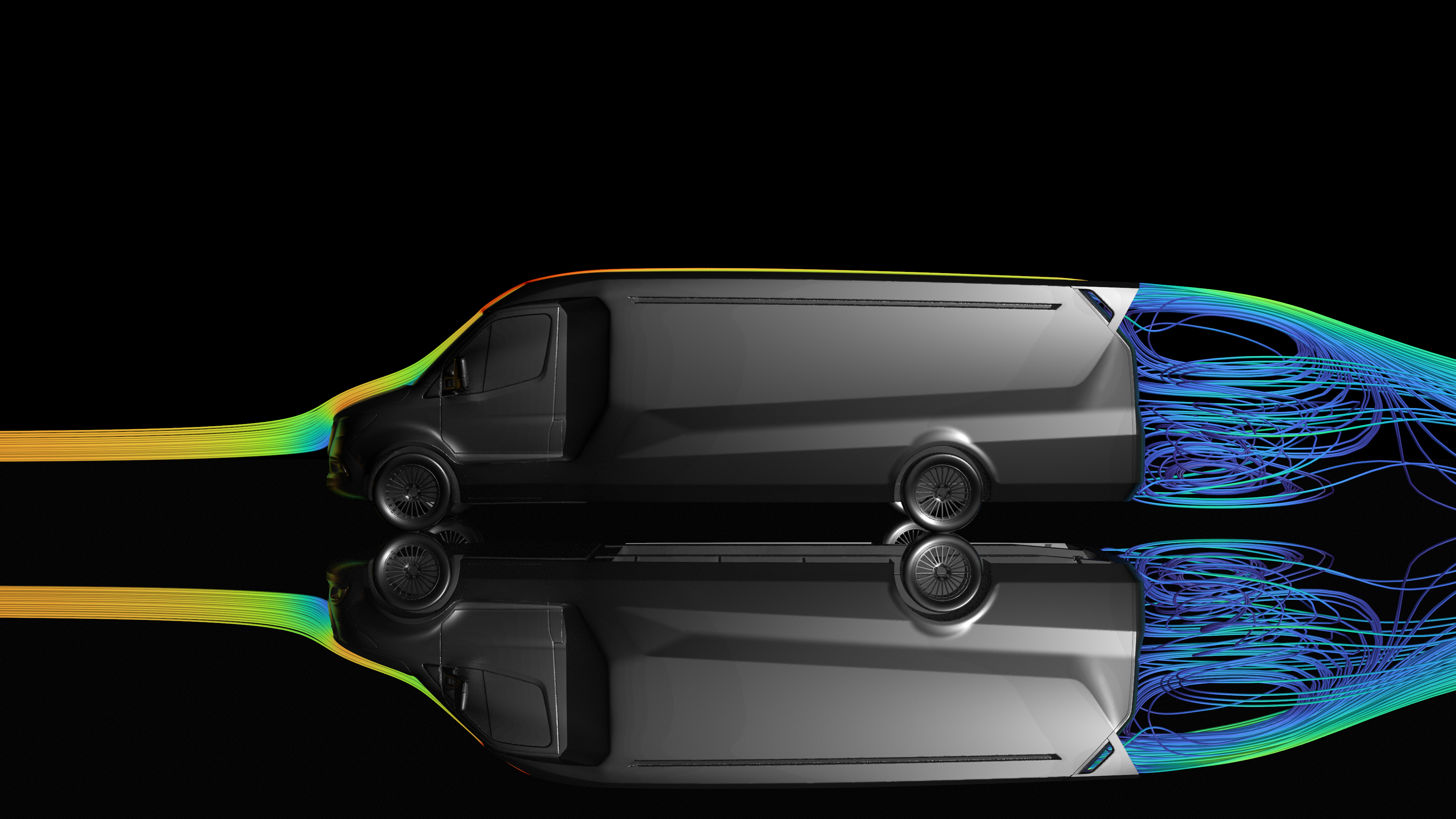
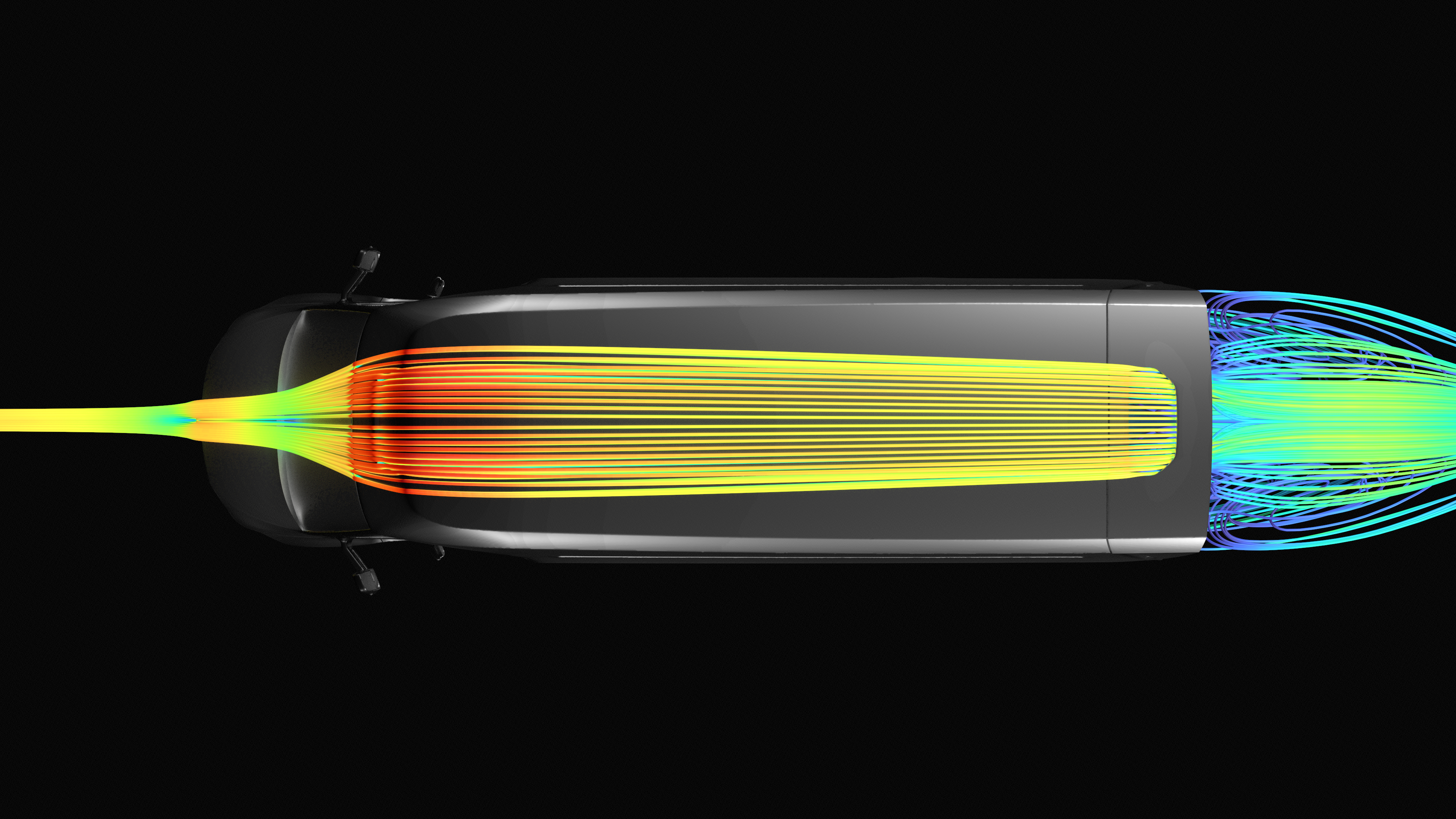
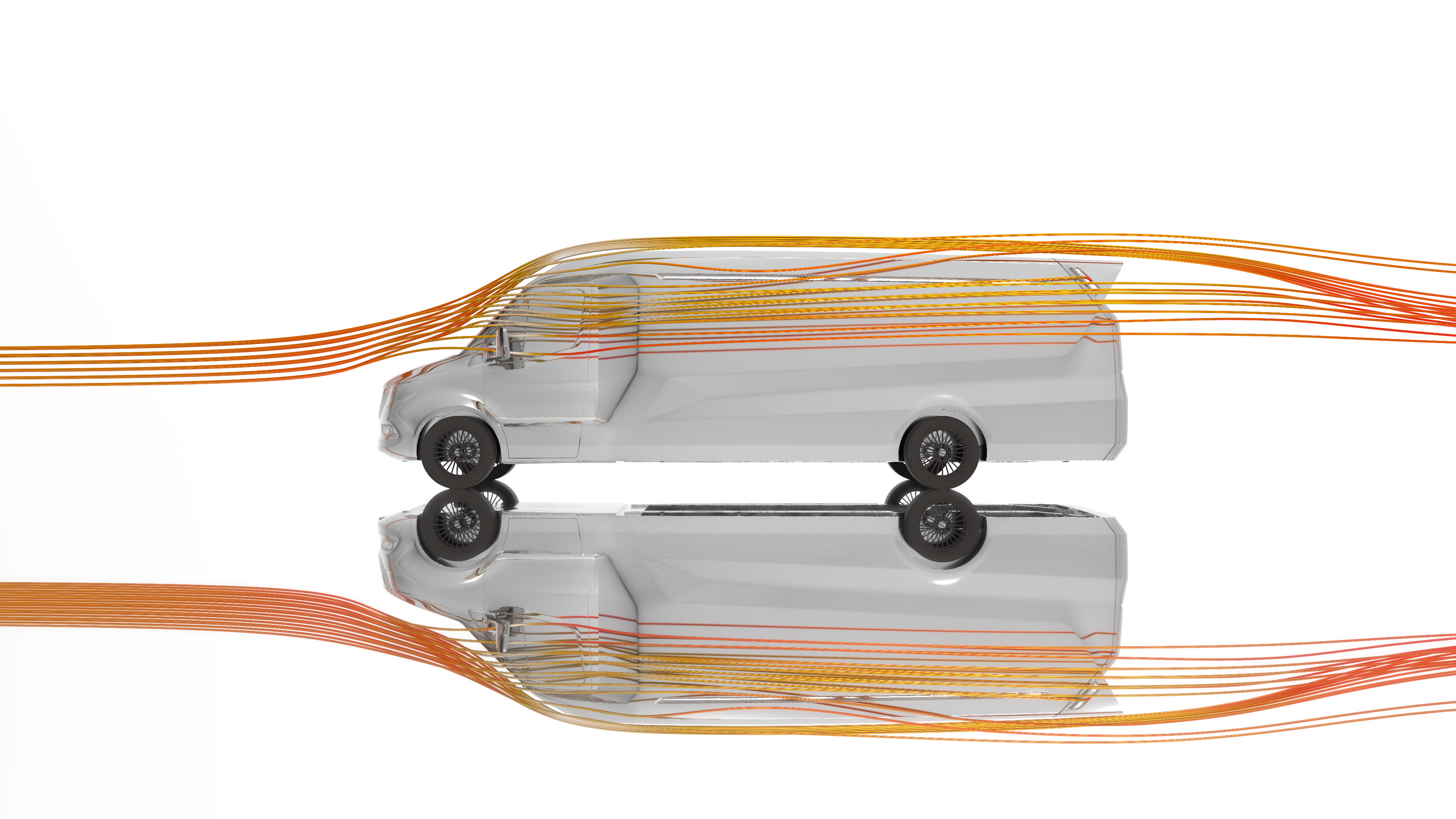
Reducing aerodynamic drag was a key objective in the development of the ORCA transporter. Every surface, curve and edge of the vehicle body was engineered to minimize air resistance and improve overall efficiency. By optimizing the aerodynamic profile, the ORCA reduces energy consumption and maximizes driving range during long-distance transport operations.
To achieve this, the ORCA development team used advanced CFD simulations with Simcenter STAR-CCM+ to analyze airflow around the vehicle. In this digital wind tunnel, engineers were able to visualize air movement and refine the outer body geometry through numerous simulation iterations.
The result is a highly optimized vehicle shell with a significantly reduced drag coefficient. This aerodynamic efficiency improves fuel economy and allows the ORCA transporter to operate more efficiently while reducing mechanical strain on the drivetrain.
Extreme durability testing on rough road tracks
Quality and durability are key features of the Orca transporter. To prove this, the first prototype underwent rough road testing. Legislators only require a calculation to verify the stability of transporters, but the developers and test engineers at Reiter behind the Orca's development demand more. The supreme discipline is called rough road testing. This term refers to the Orca being put through its toughest terrain. In the demanding rough road test, one kilometre on selected bumpy roads corresponds to around 100 kilometres in practice.
The numerous tracks at the test centre in Markbronn represent typical road surfaces such as headstone paving, transverse grooves and potholes. They put the vehicle structure through extreme stress. Reiter's test team has put together defined tracks for the test to form a rough road course. The driving programme is precisely specified, both in terms of the sequence of tracks and the speed. Proof of the extreme nature of the programme: although the shock absorbers have special cooling during the test, they have to be replaced twice during the entire period.
SOcial news
ORCA in the Spotlight
Discover the latest mentions, stories and discussions about ORCA from across the web.